
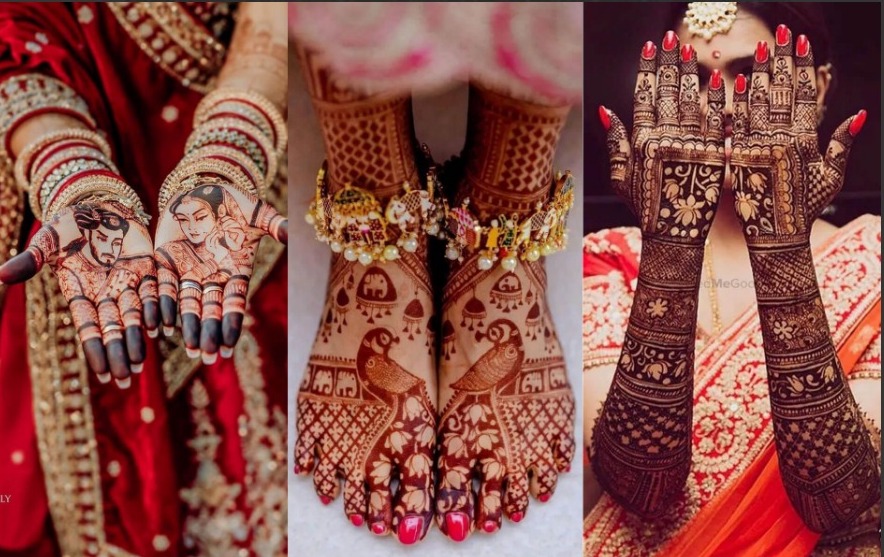
The Meaning Behind Common Mehndi Symbols: Peacocks, Elephants & Mangoes
Mehndi ArtistDiscover the beautiful significance of traditional mehndi motifs like peacocks, elephants, and mangoes. Unveil how these intricate designs add depth and auspiciousness to your bridal look, making your wedding celebrations even more special and meaningful.
Mehndi is much more than a beautiful adornment on a bride’s hands it is an age-old tradition cherished across generations in Indian weddings. With its earthy fragrance, deep stains, and exquisite patterns, bridal mehndi embodies happiness, prosperity, and spiritual blessings. But what truly sets each design apart is the captivating story woven through its intricate motifs. In particular, the motifs of peacocks, elephants, and mangoes remain perennial favorites, revered for their symbolic meaning and timeless elegance. Exploring the significance of these traditional mehndi designs can deepen the beauty of your bridal look and infuse every moment of your wedding celebrations with heartfelt intention.
The Language of Mehndi Motifs
From the first stroke on the palm, bridal mehndi carries a celebratory energy and a message of auspiciousness. Each motif is carefully chosen, drawn with mindful artistry to convey blessings and hopes for the bride’s new life. In Indian culture, motifs are far more than mere decoration; they are a language, expressing virtues like love, strength, and abundance. The motifs are selected to reflect the bride’s personality, family traditions, and the values cherished by her loved ones.
For the modern bride, understanding the symbolism of each motif transforms mehndi application from a routine ritual into a meaningful journey. Choosing certain patterns allows you to honor tradition and invite prosperity, grace, and harmony into your marital life. Nowhere is this more evident than in the classic motifs treasured in Indian mehndi art: the peacock, the elephant, and the mango.
Peacock Motifs: The Essence of Grace and Beauty
The peacock is truly the jewel of Indian mehndi design. With its sweeping plumes and captivating curves, the peacock motif brings an unlike vibrancy and allure to the bridal ensemble. In Indian culture, the peacock is celebrated as a symbol of grace, eternal beauty, and spiritual awakening. Its feathers, with their distinctive ‘eye’ patterns, are also believed to ward off evil and encourage positive energy.
In mehndi, the peacock motif is not simply an ornament. It captures the bride’s inner beauty, her confidence, and her radiant joy as she prepares to embark on a new journey. It is a tribute to femininity, elegance, and the pride of a bride as she is adorned on her wedding day. When woven into the mehndi design, delicate peacock feathers and swirling bodies create a sense of movement, artfully framing the hands and arms while signifying good fortune and grace.
Many families also see the peacock as a messenger of love, as these birds are loyal partners who dance in celebration during the monsoon. For brides, incorporating the peacock motif is a gentle wish for everlasting love and a harmonious married life, full of laughter, trust, and mutual admiration.
Elephant Motifs: A Mark of Strength and Prosperity
The gentle yet magnificent elephant holds a place of reverence in Indian tradition, often associated with Lord Ganesha the remover of obstacles and the bringer of prosperity and wisdom. The elephant motif in mehndi is rich in cultural significance, symbolizing abundance, good luck, and steadfastness.
Brides who choose elephants in their mehndi are inviting unwavering strength and protection into their new home. The grand presence of the elephant, with its curved trunk and graceful stride, signals determination and stability. Especially in the context of weddings, elephants embody the strength required to uphold sacred bonds and build a supportive partnership.
Artistically, the elephant motif can be rendered both playfully and elegantly, sometimes adorned with intricate patterns, floral garlands, or royal headgear reminiscent of regal processions. The inclusion of these beautiful animals in bridal mehndi is a wish for the bride and groom to tread the path of marriage with dignity, courage, and a heart full of blessings.
Mango Motifs: Heralding Fertility and New Beginnings
The mango, with its unmistakable paisley shape, is one of the most enduring motifs in Indian art and mehndi. Also known as the ‘ambi’ or ‘kairi’ design, the mango motif carries powerful symbolism especially for brides. It represents fertility, abundance, and the blooming of a new phase in life.
Incorporating the mango motif into bridal mehndi is a traditional blessing, expressing hope for a fruitful union filled with happiness, prosperity, and lineage. The shape itself, curving gracefully with its pointed tip, blends seamlessly with other motifs, creating harmonious patterns that mirror the richness of Indian culture.
Throughout history, mango leaves and fruit have graced the thresholds of homes, festooned in garlands during auspicious events to welcome good fortune. In bridal mehndi, their essence translates into a wish for new growth, creative expression, and a thriving family life. The soft, flowing curves of the mango motif complement the bride’s hands, adding an element of gentle luxury to her overall look.
Adding Meaning to Bridal Mehndi
When these classic motifs come together often surrounded by delicate vines, flowers, and geometric patterns they create a tapestry of meaning on the bride’s skin. Each element, though intricate and visually mesmerizing, bears a distinct significance. The careful selection and arrangement of motifs ensure that the mehndi ceremony becomes a deeply personal ritual, showering the bride with every possible blessing for her journey ahead.
For Indian brides and wedding planners alike, these traditional motifs are not only cherished for their beauty but also for the stories they tell. The peacock, elephant, and mango become an integral part of the wedding narrative, woven seamlessly into the artistry that defines this joyous occasion.
Bringing Depth and Auspiciousness to Your Wedding
Adorning the hands and feet with meaningful mehndi motifs transforms the bridal look into a celebration of love, heritage, and spirituality. Beyond their aesthetic charm, peacocks, elephants, and mangoes infuse auspiciousness into every gesture, making rituals more memorable and heartfelt.
For families and wedding planners, guiding the bride through the process of motif selection can cultivate a sense of belonging and honor long-standing traditions. Brides are encouraged to discuss the symbolism behind each motif with their mehndi artist, ensuring that every curve and swirl reflects their personality, dreams, and prayers for the marital journey.
As Indian weddings continue to evolve, the significance of traditional mehndi motifs remains constant. Whether celebrated with a grand gathering or an intimate affair, the delicate placement of each motif speaks to the values of love, strength, and prosperity that Indian weddings hold dear.
The Enduring Beauty of Tradition
The tradition of mehndi is a thread that links past, present, and future a living art celebrated in every Indian wedding. By choosing motifs like the peacock, elephant, and mango, brides do more than just adorn their hands. They embrace the blessings, stories, and deeper meanings nestled within these designs, making their wedding festivity not only radiant but truly significant.
Let the timeless motifs in your mehndi be a reflection of your aspirations, your heritage, and the joy that fills your heart as you step into a new chapter. With every line, curve, and swirl, invite prosperity, beauty, and harmony into your life, weaving memories that remain etched long after the festivities conclude. In the world of Indian weddings, tradition and artistry unite to make every bridal look—like the motifs of mehndi itself utterly unique and joyously meaningful.